
Sensory Tools for Regulation and Support
I often get asked what practical tools can support regulation in day-to-day life.
These are a small number of sensory tools I recommend based on clinical experience working with individuals with ADHD and autism. Each one is selected for simplicity, effectiveness, and real-world use – not just how it looks, but how it actually functions when it matters.
A considered, practical approach
There’s no single tool that works for everyone. Regulation is highly individual, and what helps one person may feel unhelpful or overwhelming for another.
Rather than offering a large range of options, I’ve intentionally kept this selection small. The focus is on tools that are:
- simple to use
- low demand
- durable and reliable
- appropriate across different environments (home, work, school)
These are tools that can be integrated into everyday routines without adding complexity.
How sensory tools can help
Sensory tools can support regulation by providing predictable, repetitive input that helps the nervous system settle or refocus.
Depending on the individual, this might assist with:
- reducing internal restlessness
- supporting concentration and task engagement
- managing overwhelm
- creating a sense of grounding during periods of stress
They are not a replacement for assessment or therapy, but they can be a useful part of a broader support approach.
Sensory tools for Autism and ADHD
Many individuals with ADHD and autism experience differences in how sensory information is processed.
Some people seek additional input, while others may feel overwhelmed by it. The tools here are selected to support regulation without being overstimulating, with a focus on tactile and movement-based input that is generally well tolerated.
Explore the range

Needoh Nice Cube – Tactile Regulation Tool

Jelly Squish – Visual and Tactile Regulation Tool
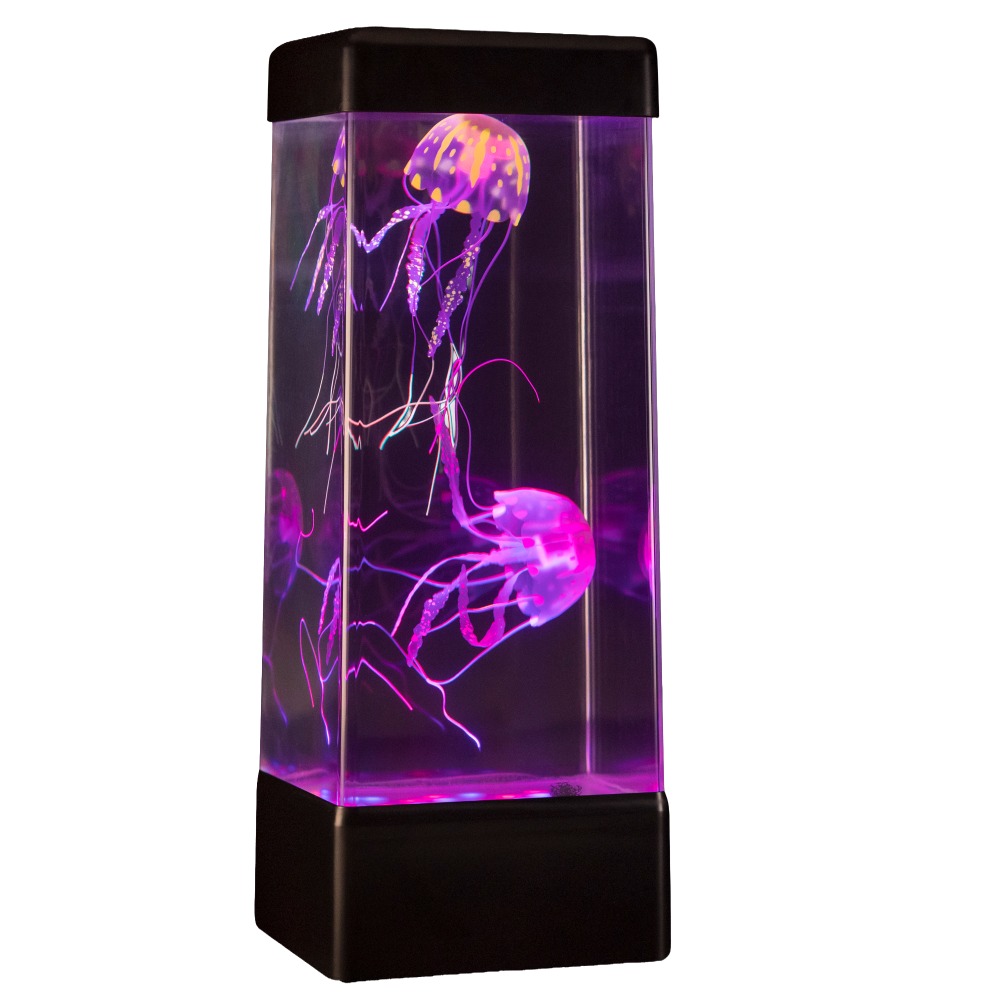
Jinx Jellyfish Lamp – Visual Regulation Tool
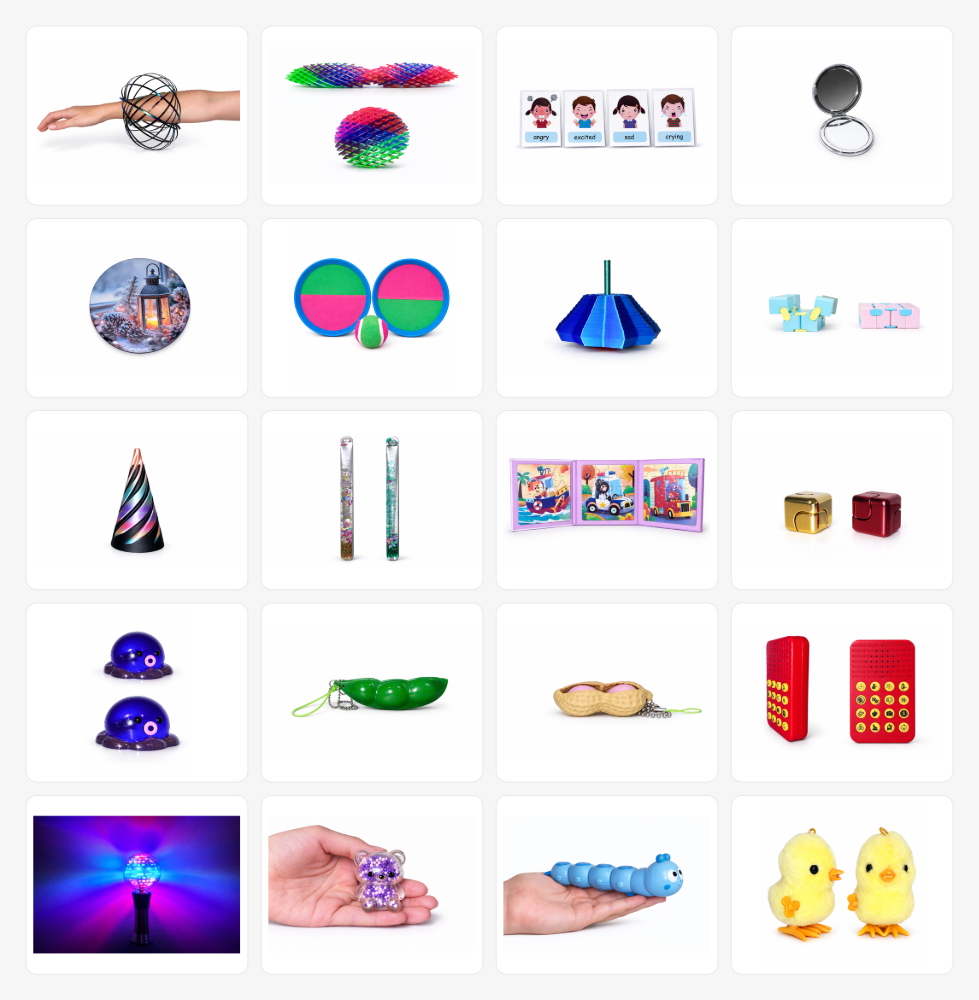
MIGDAS-2 Sensory Kit
Choosing what works for you
If you’re not sure where to start, it can help to begin with one simple tool and notice how it feels to use over time.
What matters most is not finding the “right” product, but finding something that fits naturally into your daily environment and supports regulation in a way that feels manageable and sustainable.
Looking for a more comprehensive understanding?
If you’re exploring sensory differences in the context of ADHD or autism, a structured assessment can provide a clearer understanding of patterns, strengths, and support needs.
You can learn more about the assessment process here.