
Dr Kerri Thomas
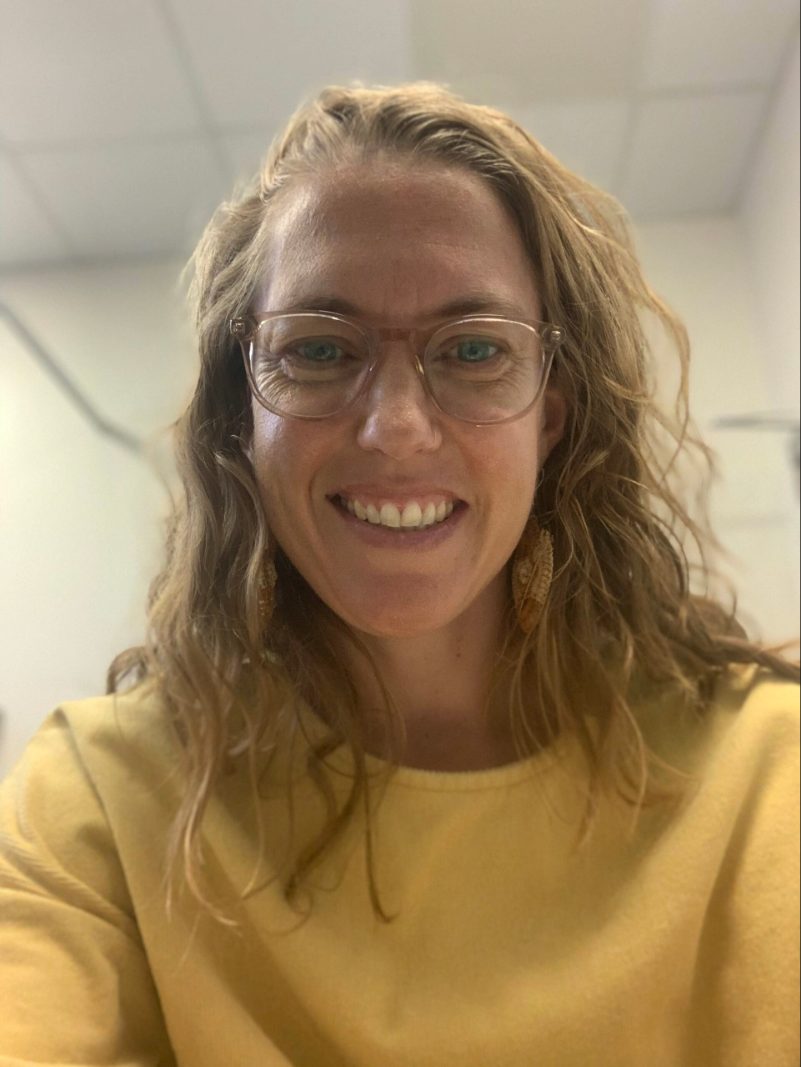
I am a clinical psychologist dedicated to thoughtful, neuro affirming adult Autism and ADHD assessments. My work is calm, considered and grounded in evidence, while remaining deeply respectful of individual experience. At NeuroMe, I provide a focused and personalised assessment space designed for clarity and understanding.
A considered and experienced approach
I am a Clinical Psychologist dedicated to thoughtful, neuro-affirming adult Autism and ADHD assessments. I have worked with adults navigating late recognition of neurodivergence, complex developmental histories and longstanding questions about identity.
My work is calm, considered and grounded in evidence, while remaining deeply respectful of individual experience. The assessment space is designed for clarity, collaboration and meaningful understanding.
NeuroMe was created as a boutique practice dedicated solely to combined assessments. This focused model allows me to work with depth and clarity while maintaining a calm and respectful pace. I balance structured clinical reasoning with emotional sensitivity so that individuals feel understood rather than analysed.
Focused
NeuroMe is intentionally dedicated to combined Autism and ADHD assessments. I am able to work with precision and nuance, recognising patterns that may be subtle or overlapping. This depth supports confident and carefully reasoned conclusions.
Neuro-affirming Philosophy
I approach neurodiversity as a natural variation in human cognition. My work centres respect, identity and strengths while thoughtfully exploring areas of difficulty. Assessment is collaborative and grounded in evidence, while remaining responsive to each individual’s lived experience.
Clear and Balanced Conclusions
Many people seek assessment after years of uncertainty. I prioritise clarity and careful formulation so outcomes feel understandable and grounded. Communication is transparent, measured and delivered with care.
Qualifications and professional background
I am endorsed as a Clinical Psychologist and registered with the Psychology Board of Australia (AHPRA). My postgraduate training includes advanced diagnostic assessment, formulation and evidence based psychological practice.
Throughout my career I have worked across hospital, community and private contexts, supporting adults with complex neurodevelopmental presentations. This breadth of experience strengthens my ability to recognise nuanced patterns and differentiate thoughtfully.
I remain engaged in ongoing professional development to ensure my practice reflects contemporary diagnostic standards and evolving neuro-affirming perspectives within Australia. I adhere to current DSM-5-TR diagnostic criteria and contemporary Australian clinical guidelines in all assessment work.

A calm and sensory considerate space
Environment shapes experience. I have intentionally designed my assessment setting to feel grounded and low stimulation. Lighting is soft, textures are natural and seating supports comfort rather than formality. For many neurodivergent individuals, sensory load matters. Whether meeting in Darwin or via telehealth across Australia, the pace remains measured and respectful of individual processing style.
Thoughtful clinical reasoning
Assessment involves more than gathering information. It requires integrating developmental history, behavioural patterns, strengths and context into a cohesive understanding. I approach each case with careful reasoning rather than checklist thinking. The aim is clarity about how a person’s mind works across settings and over time.


Respect for identity
For many adults, assessment follows years of feeling different without language to explain why. For parents, it may follow sustained advocacy. I hold these narratives with care. Where diagnosis is appropriate, it is presented with nuance and context so it feels validating and meaningful rather than reductive.
Clear communication and next steps
Clarity reduces uncertainty. Written reports translate clinical findings into accessible understanding. Feedback discussions are collaborative and unhurried, allowing space for reflection and questions. Regardless of outcome, individuals leave with greater insight and practical direction for moving forward.